
Understanding Role-Based Access Control
Deep dive into RBAC and how Kivuz IAM implements it for scalable authorization.
system23 Şubat 20261 dk okuma281 görüntülenme
Diğer dillerde de mevcut:Turkce
Understanding Role-Based Access Control (RBAC)
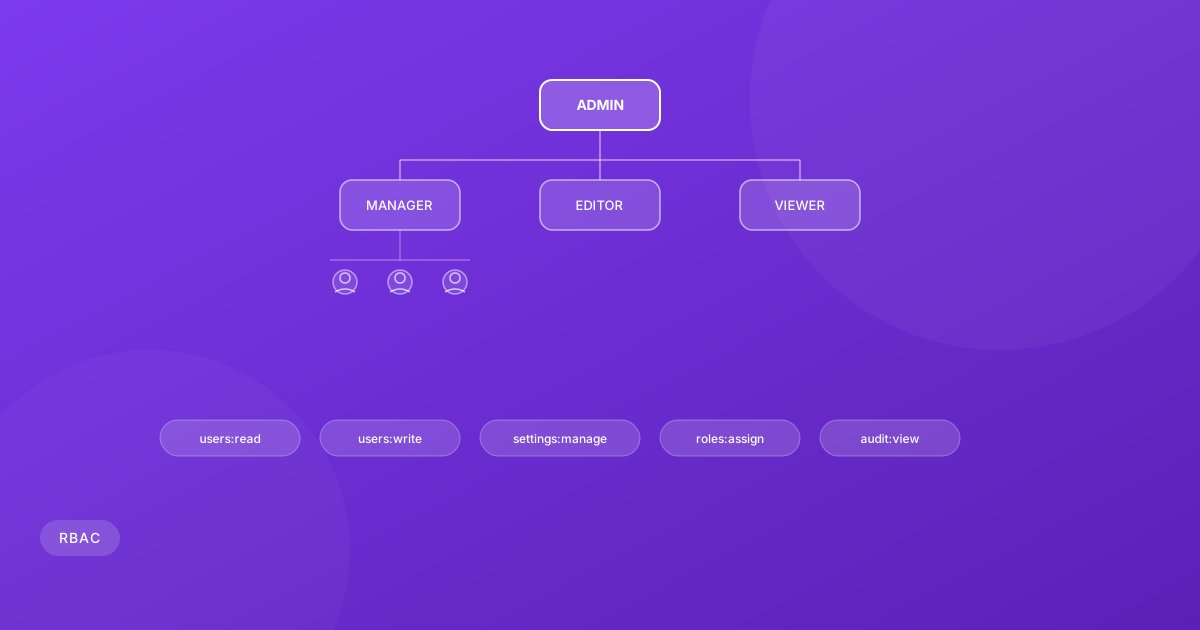
Role-Based Access Control is one of the most widely adopted authorization models. Kivuz IAM implements a comprehensive RBAC system that scales from small teams to enterprise organizations.
How RBAC Works
RBAC assigns permissions to roles, and roles to users. This creates a clean separation between what actions are possible and who can perform them.
Key Concepts
Best Practices
- Principle of Least Privilege — Grant only the minimum permissions needed
- Role Hierarchy — Create role inheritance for cleaner management
- Regular Audits — Periodically review role assignments